
9 Wedding Catering Ideas From Our In-House Kitchen
Most wedding food advice online is written for venues that don't cook.
Broadway Avenue isn't one of those.
We run a full commercial kitchen on-site, led by our chef Nick, who studied hospitality management at Grand Valley State University and earned his master's in culinary arts in Florence, Italy.
That means your menu isn't assembled from a rental caterer's binder somewhere else in town. It's built in the same building your ceremony happens in.
Here are nine catering ideas worth bringing to your first tasting, from food stations that keep your cocktail hour moving to how we handle dietary restrictions without an afterthought salad.
The most useful one might be the first — knowing what's already included before you start adding extras.
1. Know What's Already Included Before You Build a Menu
Full-service in-house catering means one kitchen, one culinary team, and one point of contact for food and bar together.
You're not coordinating separate vendors on separate timelines.
In-house bar service is required for every event at Broadway Avenue, no matter which catering option you choose.
Most couples use our in-house catering. Some prefer to bring in their own caterer, and we recently opened that option using an approved outside-caterer list — the bar stays in-house either way.
Ask which category your must-have dishes fall into before your first tasting. It changes the rest of the conversation.
2. Food Stations Are Replacing the Old Buffet Line
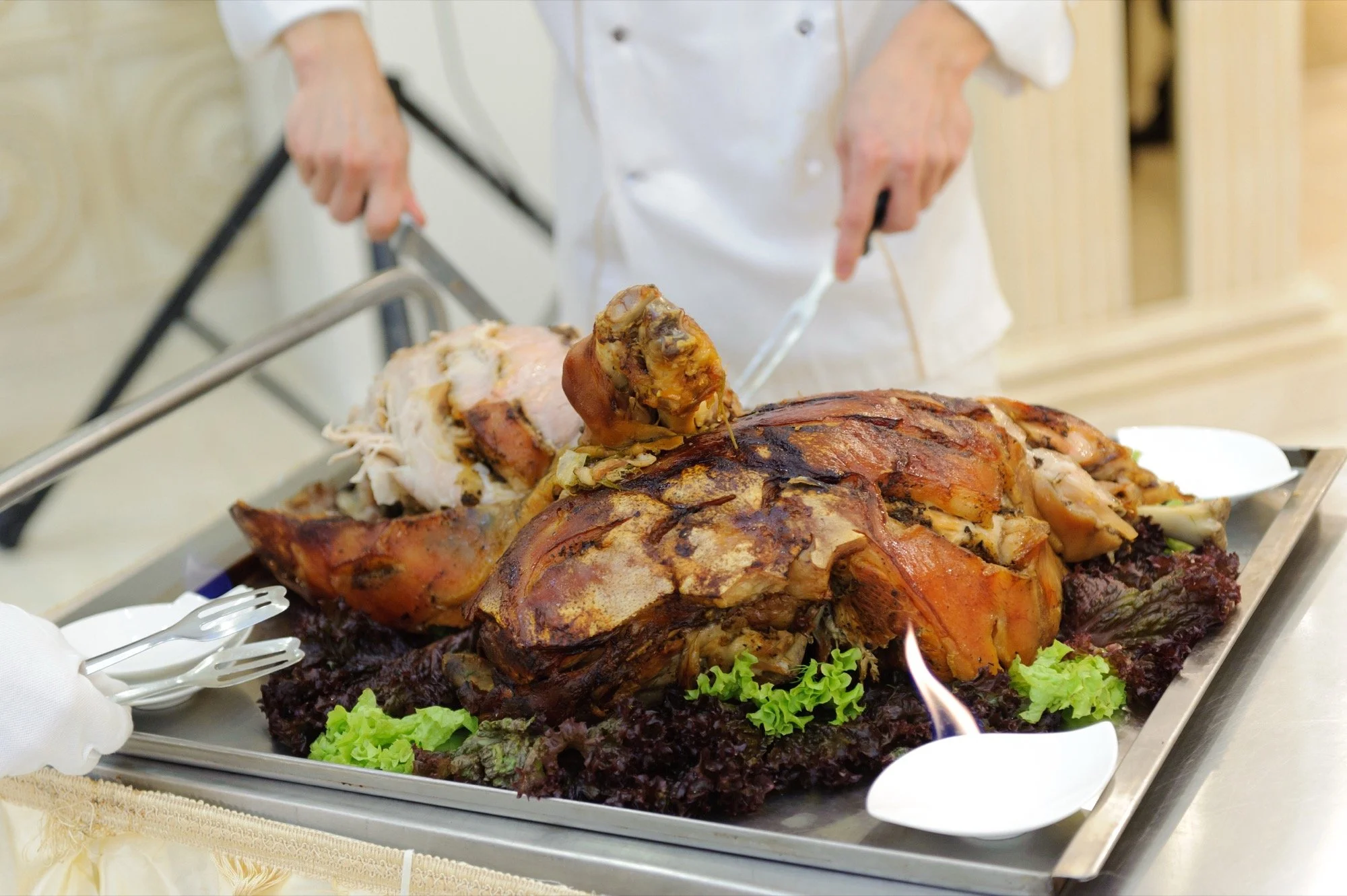
The long buffet line guests wait through is losing ground to stations couples plan around specific moments.
Catersource's own industry trend roundup points to interactive, chef-attended stations as one of the biggest shifts in event catering right now (Catersource, "Tomorrow's Top Trends").
A carving station is the classic version — a chef slicing a roast to order, so guests get a warm plate instead of one that's been sitting under a heat lamp.
Pasta stations, build-your-own taco bars, and raw bars work the same way: guests get something made in front of them, not portioned out ahead of time.
At an all-in-one venue like ours, stations do double duty.
They give guests something to do while our team turns the ceremony space into your reception behind the scenes, the same setup we cover in our guide to seating chart zoning.
3. What to Expect at Your Tasting Appointment
A tasting is usually where the menu actually gets decided, not just sampled.
Bring the two of you, plus anyone whose opinion genuinely changes your mind — a tasting with eight people in the room rarely ends with a clear decision.
Come with questions already in mind rather than deciding everything on the spot. You'll remember a dish better a week later than you will mid-bite.
Ask when Nick needs your final menu locked, and whether that date moves if your guest count changes.
Planning a Wedding in Michigan?
See how The Broadway Avenue brings elegance to life with an all in one space, warm interiors, and a seamless guest experience.
Schedule a Tour4. Family-Style Service, If You Want Something Warmer Than Plated
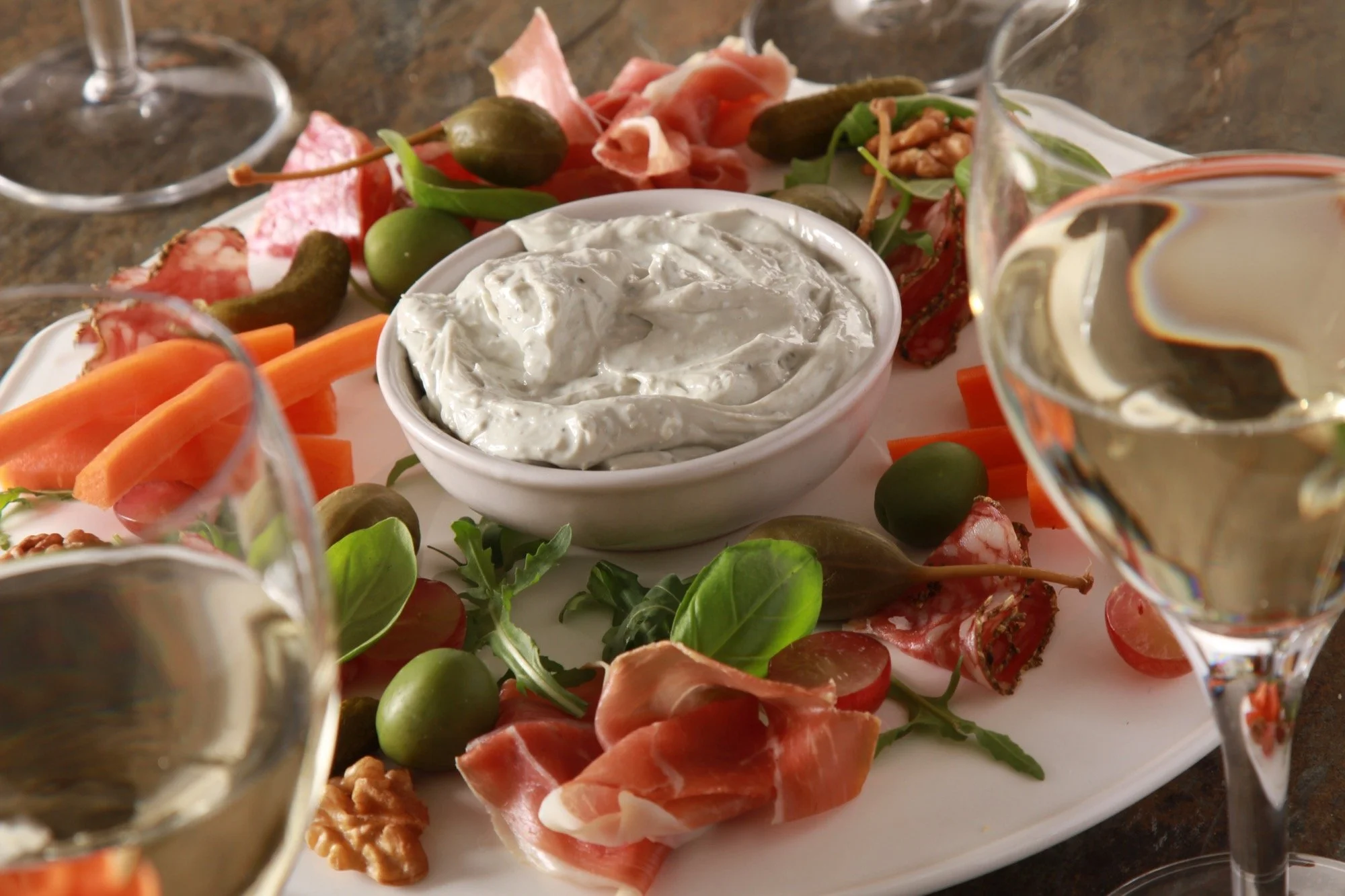
Family-style is the other side of the same shift, big shared platters passed down the table instead of a plate that arrives already decided.
It's slower than stations and more formal than a buffet, which makes it a natural middle ground for a reception where the ceremony already happened in the same room and the night has a different rhythm than a typical wedding.
It also does something plated service doesn't: it gives tables a reason to talk to each other. Passing a platter is a small, built-in icebreaker for guests who don't know each other yet.
The tradeoff is timing. Family-style needs a little more coordination from your catering team to keep every table served around the same time, so it's worth asking Nick how he handles that at your table count.
Some couples blend the two: stations during cocktail hour, family-style once everyone's seated for dinner.
Planning a wedding in Michigan? See how The Broadway Avenue brings elegance to life with an all-in-one space, warm interiors, and a seamless guest experience. Schedule a Tour
5. Ask About Seasonal Michigan Ingredients
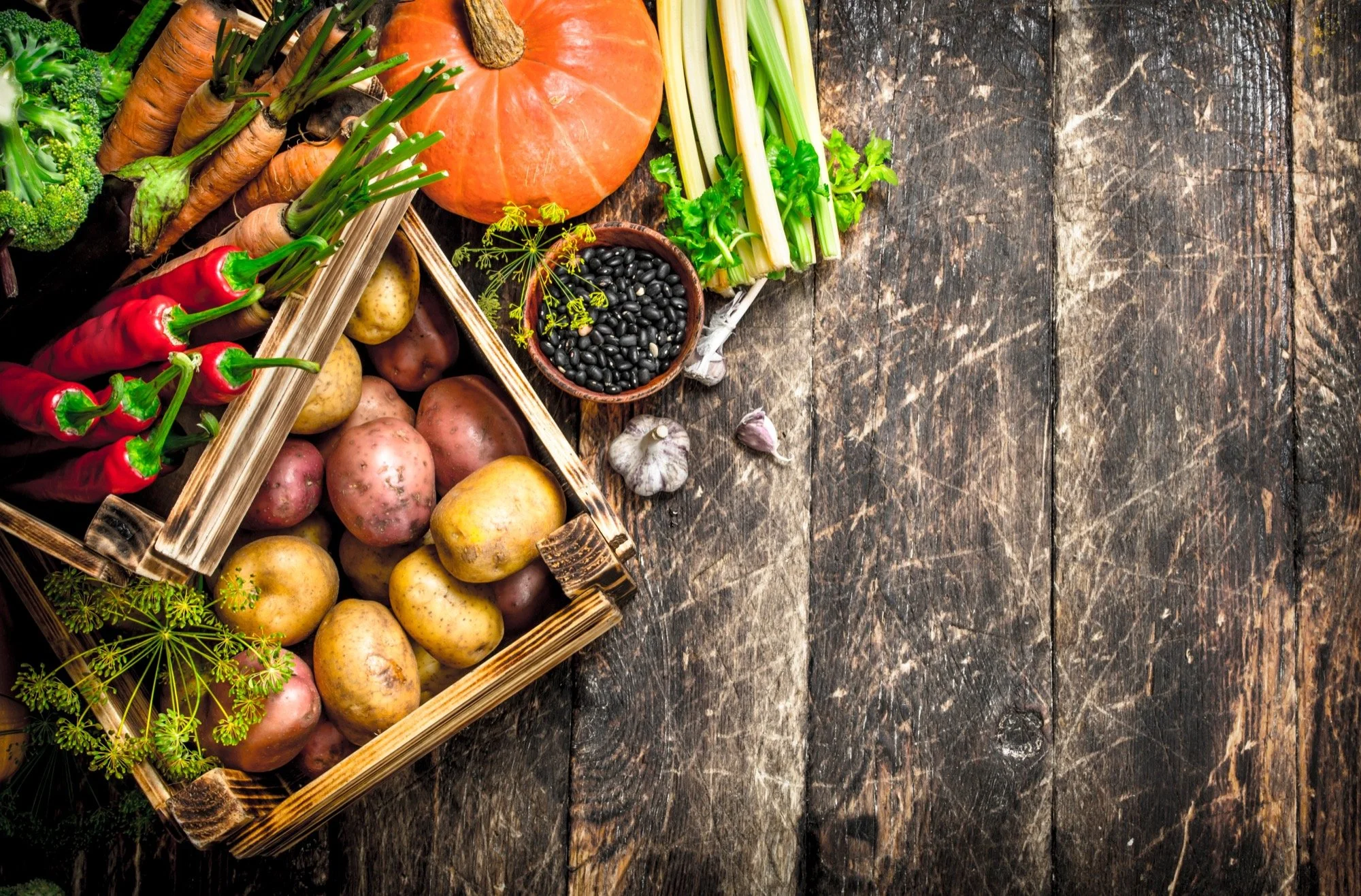
West Michigan's growing season gives a menu somewhere to draw from besides a standard catering binder.
Ask Nick what's in season around your date — stone fruit and sweet corn in summer, apples and squash in fall, root vegetables and citrus in winter — and whether it's worth building a course or two around it.
A menu that changes with the season reads as more intentional than one that looks the same in June and December, and it's an easy way to make a Tuesday-in-October wedding feel different from a June one without changing your whole plan.
6. A Cocktail Hour That Does More Than Hold Guests Until Dinner
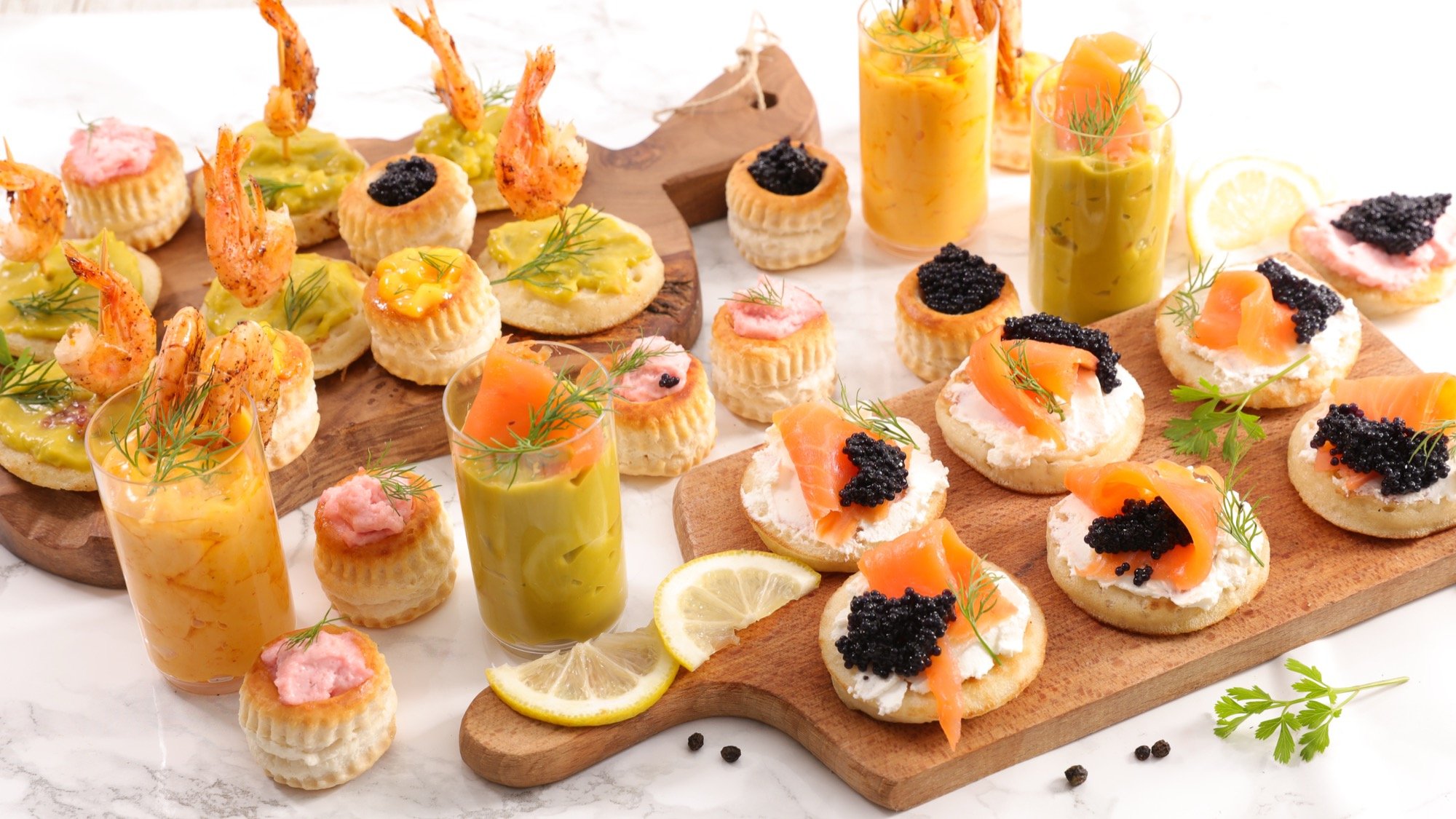
Cocktail hour is included in your in-house bar service, so it's worth treating as its own moment instead of a waiting room before dinner.
A signature drink named for the two of you gives guests something to order without reading a full bar menu.
Passed apps that echo your dinner stations — a mini version of what's coming later, build anticipation instead of just filling time.
A small dessert preview, or a display that doubles as decor, gives photographers something to shoot during the hour your wedding party is usually off taking pictures.
7. Making Sure Every Guest Has Something to Eat
Dietary requests aren't a special case anymore — they're a normal part of planning a wedding menu.
Talk to your caterer early about allergies and restrictions so they can build a real process around them, not a last-minute substitution.
The FDA's own Food Code specifically recommends that food service operations train staff on allergen awareness and post written disclosures for exactly this reason (FDA, Food Allergies) — a good caterer should be able to tell you their process without you having to ask twice.
Ask specifically how a restricted plate is kept separate in the kitchen, not just how it's plated — cross-contact happens during prep, not just on the table. And ask whether restricted plates are marked in a way your servers can identify at a glance, so the right plate reliably reaches the right guest.
Ready to talk menu with our team? Schedule a Tour and meet Nick before your first tasting.
8. If You're Considering an Outside Caterer
If in-house catering isn't the right fit, ask for Broadway Avenue's current approved outside-caterer list.
Bar service still stays in-house regardless of who handles the food — plan your budget with that in mind from the start, not after you've already picked a caterer.
Ask your outside caterer whether they've worked in our kitchen before, and ask us what a first-time caterer typically needs to know about our space and timeline. A caterer who's never used a venue's kitchen before benefits from a walkthrough well ahead of your date, not the morning of.
9. Questions Worth Bringing to Your Tasting
A few worth writing down before you sit down with Nick:
How do you handle guests with allergies or dietary restrictions, start to finish?
What's the real cost difference between stations and a plated or family-style dinner for our guest count?
What's included in the in-house bar package, and what counts as an upgrade?
Do you offer vendor meals, and how are those priced?
When do you need our final menu and guest count locked in?
If we're considering an outside caterer, is there a kitchen-use fee, and what's the process for getting them approved?
If you haven't toured yet, our venue-tour checklist covers the rest of what to ask beyond food.
Frequently Asked Questions
Does Broadway Avenue require in-house catering?
No. You can use our in-house catering or bring in a licensed caterer from our approved outside list. In-house bar service is required for every event either way.
Who is the chef at Broadway Avenue?
Nick, our lead chef, studied hospitality management at Grand Valley State University and earned his master's in culinary arts in Florence, Italy.
Can Broadway Avenue accommodate dietary restrictions?
Yes. Bring allergies and dietary needs to your caterer early so they can build a real plan around them — the FDA's Food Code recommends exactly this kind of advance planning for events.
What's the difference between food stations and a plated dinner?
Stations are interactive and keep guests moving and mingling. Plated dinners are more formal and easier to time precisely. Family-style sits between the two. Many couples now blend more than one format across cocktail hour and dinner.
When should we finalize our wedding menu?
Most caterers ask for your final menu selections and guest count a few weeks out — ask your caterer for their specific deadline at your tasting so you're not guessing.
Your menu says almost as much about your day as your flowers do.
Bring these nine ideas to your first tasting with Nick, and you'll walk out with a plan instead of a guess.
Ready to see how your own reception could taste? Schedule a Tour and let's talk menu.