
7 Wedding Seating Chart Ideas for a Grand Rapids Reception
Your seating chart decides more than who sits where.
It decides whether Aunt Carol and her ex-sister-in-law spend the night glaring across the room.
It decides whether the dance floor fills up or stays empty until the bouquet toss.
Here's the short version: sort your guest list into groups who already know each other, build tables around those groups, then fill in the gaps by age and interest, family first, then work outward.
The seven ideas below cover how to do that in practice, from the first table you plan to the app you'll use to display it.
How Many Tables Do You Actually Need?
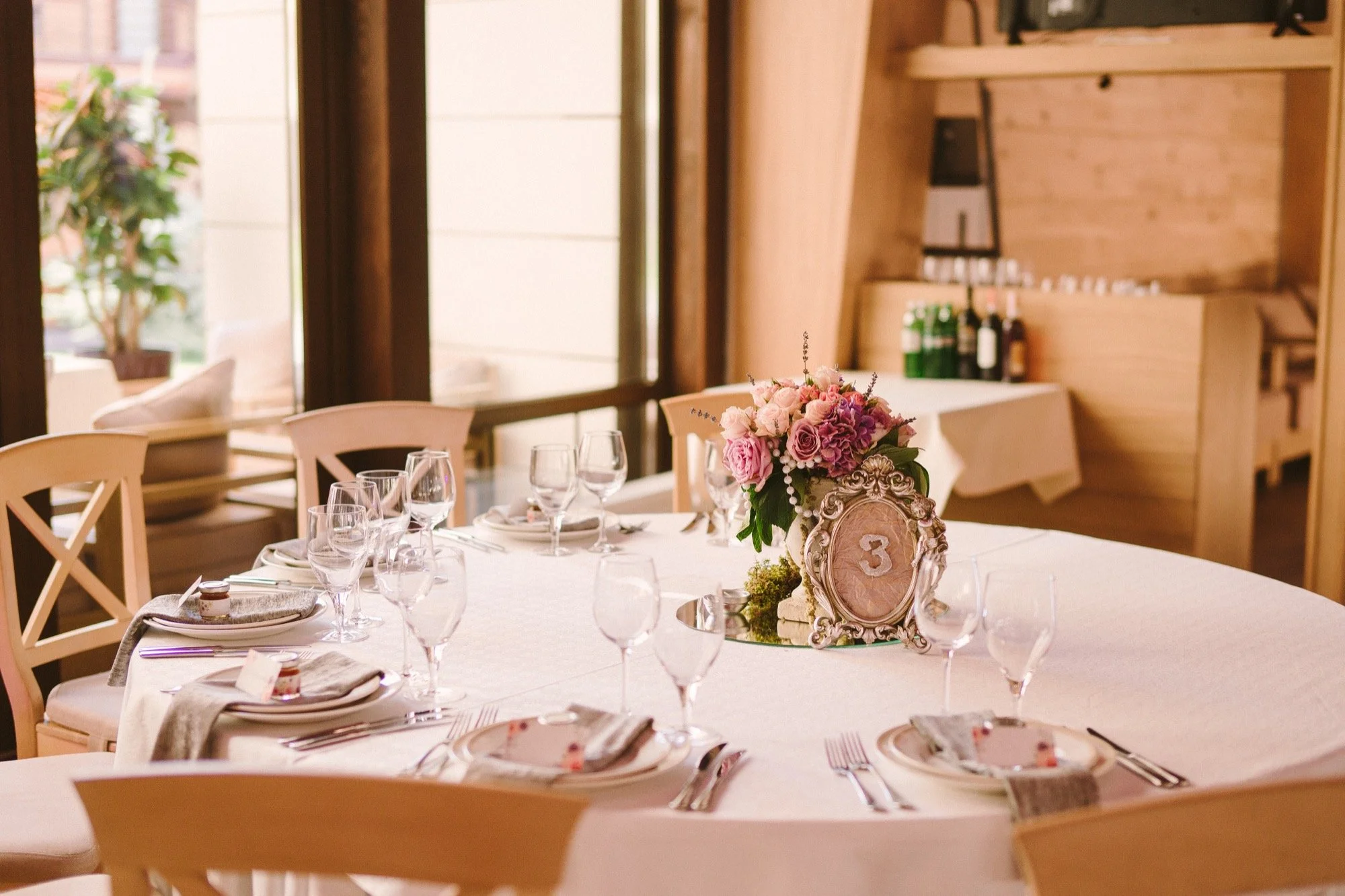
Start with your final guest count, then divide by how many people comfortably fit per table at your venue.
Most reception tables seat 8 to 10 guests, so a 150-guest wedding needs roughly 15 to 19 tables.
The average U.S. wedding now runs about 117 guests, according to The Knot, a useful benchmark if you're still finalizing your own list.
At a venue like Broadway Avenue, where the ceremony and reception happen in the same room, your table count also decides how much space you have left for a dance floor and bar once the ceremony chairs come out. (Read more on that setup in our post on the benefits of an all-in-one wedding venue.)
Count your tables before you touch names, it keeps the rest of this process from turning into guesswork.
Assigned Seats or Open Seating: Which Is Right for Your Reception?
Assigned seating works best for receptions over 75 guests, plated dinners, or families with any tension to manage.
It also helps your caterer plate and serve faster, since they know exactly how many meals go to each table.
Open seating works for smaller, casual receptions where guests already know most of the room.
If you're not sure which fits, ask your venue how their catering team prefers it, floor plan and service style often decide this for you.
That's a good question to bring on your venue tour, along with the others in our wedding venue tour checklist.
Where Should the Two of You Sit?
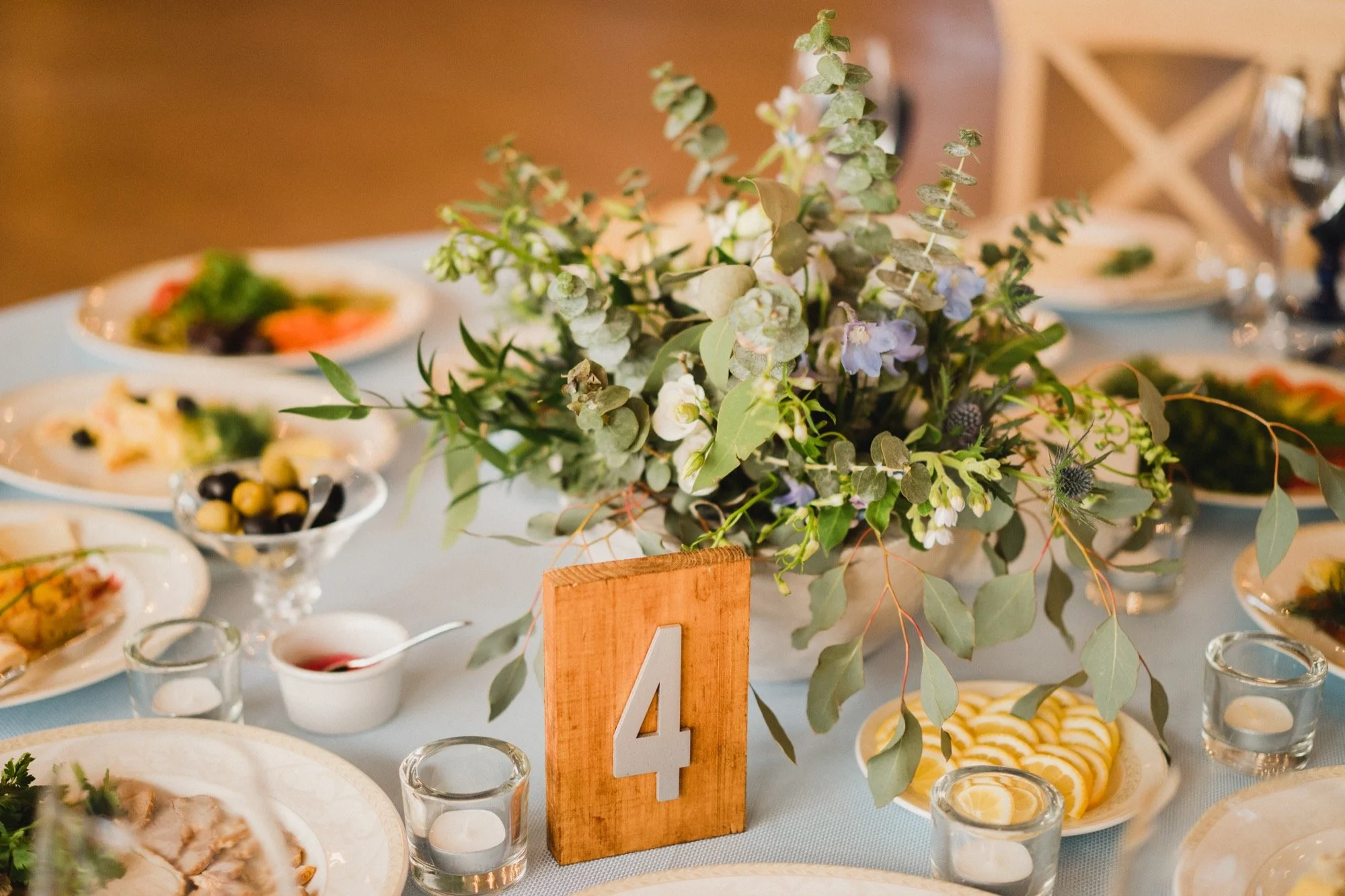
You have two real options: a traditional head table with your wedding party, or a sweetheart table just for the two of you.
A head table keeps your closest friends nearby all night and makes toasts easy to coordinate.
A sweetheart table gives you a few private minutes together during a night that otherwise belongs to everyone else.
Either way, put your table where every guest can see you, usually facing the dance floor, not tucked in a corner.
Keeping Blended and Divorced Families Comfortable
Seat divorced parents at separate tables, not across from each other at the same one.
Give each parent their own guest list for that table or their partner, close friends, or extended family they're comfortable with.
Avoid placing exes near each other's current partners unless you know for certain it won't cause tension.
When in doubt, ask a parent directly rather than guessing, a two-minute conversation now saves an awkward night later.
Planning a Wedding in Michigan?
See how The Broadway Avenue brings elegance to life with an all in one space, warm interiors, and a seamless guest experience.
Schedule a TourWhere to Put Kids, Plus-Ones, and Out-of-Town Guests
Give kids their own table near their parents, not across the room, close enough to check in, far enough that the adults' table stays adult conversation.
Seat plus-ones you don't know well next to someone outgoing from the guest's friend group, not alone at a table of strangers.
Group out-of-town guests together when you can, they're often meeting each other for the first time, and shared travel makes easy conversation.
Zoning Your Room: Dance Floor, Bar, and Quiet Corners

Seat your loudest, most social guests near the dance floor and bar, they'll use both all night.
Put older guests and anyone who mentioned mobility needs farther from the speakers, closer to exits and restrooms.
Leave a buffer of a few feet between the dance floor and the nearest tables, dancers need room, and no one wants a drink knocked over mid-song.
If your reception includes a grand entrance for the wedding party, plan that path before you finalize table placement, see our ideas on making a memorable entrance for how the room flow ties in.
Creative Ways to Display Your Seating Chart
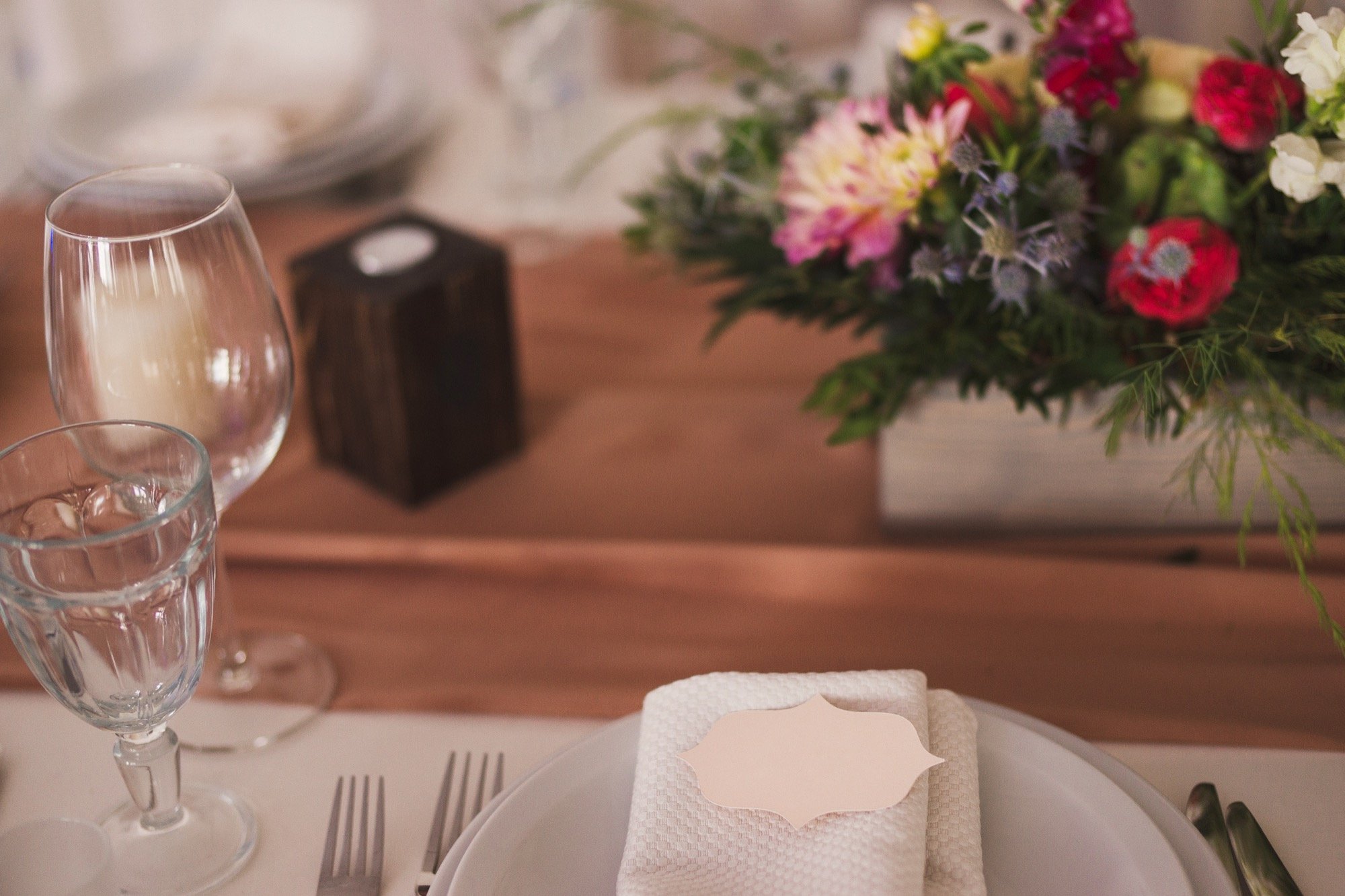
A framed chart near the entrance is the classic choice, and it still works.
For something more personal, name tables after places you've traveled together, or after shared favorites like albums, movies, or hobbies instead of plain numbers.
A large mirror with names written in calligraphy doubles as decor and a functional chart.
Whatever style you pick, keep names easy to scan, list them alphabetically with a table number next to each, or grouped by table and alphabetized within it.
When to Lock In Your Final Chart
Most couples finalize their seating chart about one to two weeks before the wedding, once RSVPs and final headcounts are in.
Build a rough draft earlier, a month out is reasonable, so you're adjusting a plan instead of starting from scratch under deadline pressure.
Leave room for last-minute changes. Someone will cancel, and someone else will ask for a different seat the week of.
Want help thinking through your own reception layout? Reach out to Broadway Avenue, we're happy to talk through what's worked for other couples in our space.
Frequently Asked Questions
Do I need a seating chart for a small reception?
Even small receptions under 50 guests benefit from at least a loose seating plan. It prevents empty seats at some tables and overcrowding at others, and it still helps you manage any family dynamics.
Where do divorced parents sit at a wedding?
Seat divorced parents at separate tables, each with their own guests like partners, close friends, or family they're comfortable with. Avoid placing them directly across from each other.
Should kids have their own table?
Yes, when there are enough children to fill one. Seat it near their parents' table so adults can check in easily, but far enough away that both groups can enjoy their own conversations.
What's the easiest way to make a wedding seating chart?
Start with your confirmed RSVPs, group guests who already know each other, then use a free digital tool or a simple spreadsheet to move names between tables until it feels right. Finalize it once your headcount is locked.
When should I finalize my wedding seating chart?
Build a rough draft about a month before the wedding, then lock in the final version one to two weeks out, once RSVPs are in and your headcount is confirmed.
Ready to see how your own reception could flow?
Get in touch with Broadway Avenue and let's talk through your day.